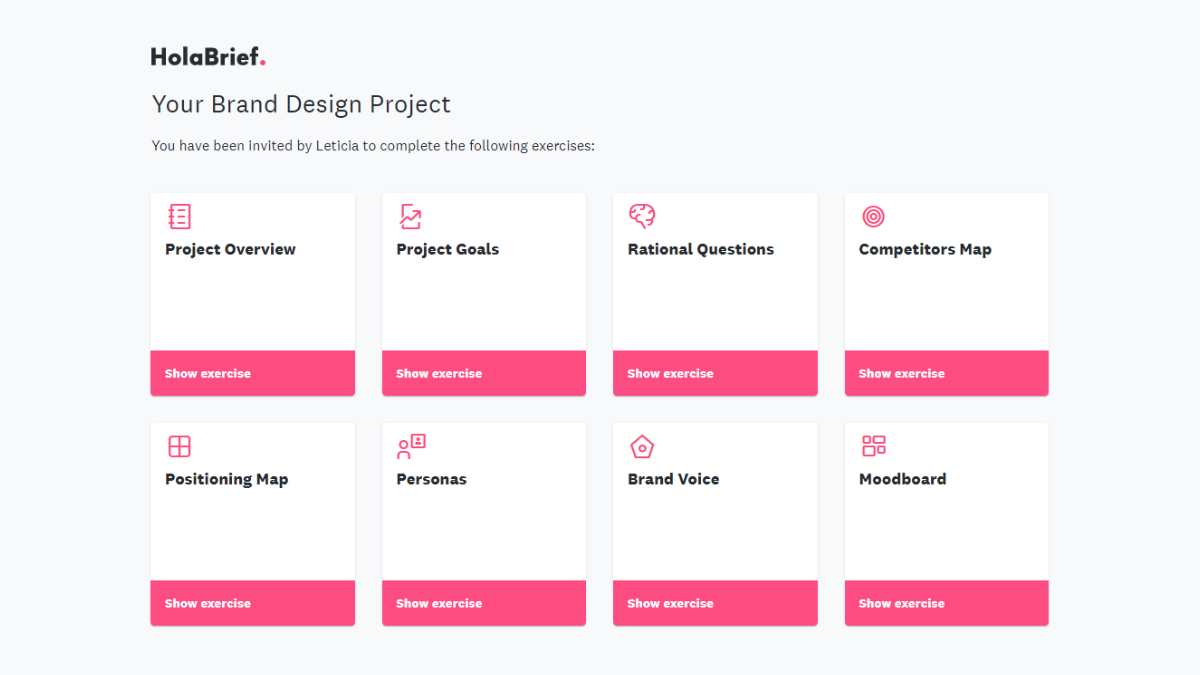
Navigating the complex world of branding and marketing requires a clear understanding of the questions driving success. This guide dives deep into essential inquiries, from defining your brand’s unique value proposition to measuring campaign effectiveness. We’ll explore the key elements of a strong brand identity, examine customer needs, and discuss various marketing strategies.
From digital marketing tactics to content strategies, we’ll uncover the critical questions that shape successful campaigns. This exploration goes beyond the surface, offering practical insights and actionable strategies.
Defining Branding & Marketing Questions
Branding and marketing strategies are crucial for success in today’s competitive market. Effective strategies are built upon a solid foundation of insightful questions. Understanding the nuances of these questions allows for more targeted and impactful campaigns.A comprehensive approach to branding and marketing requires careful consideration of various factors, from target audience preferences to market trends. Asking the right questions can significantly enhance decision-making, ensuring alignment between marketing efforts and business objectives.
Comprehensive Definition of Branding and Marketing Questions
Branding and marketing questions encompass a broad range of inquiries aimed at understanding customer needs, market dynamics, and brand perception. They seek to identify opportunities for improvement, assess potential risks, and ultimately, optimize marketing strategies. This involves exploring aspects such as customer segments, brand positioning, messaging effectiveness, and campaign performance.
Types of Branding and Marketing Questions
Different types of questions cater to various stages of the marketing process and different objectives. These include:
- Customer-centric inquiries: These questions delve into customer preferences, behaviors, and pain points. Examples include: “What are the primary needs and desires of our target audience?” and “What are the current customer journeys?”
- Market analysis inquiries: These focus on understanding the competitive landscape, market trends, and emerging opportunities. Examples include: “What are the key competitive advantages of our competitors?” and “What are the emerging trends in the market?”
- Brand perception inquiries: These questions explore how the target audience perceives the brand and its messaging. Examples include: “How do customers currently view our brand?” and “What are the brand associations customers currently hold?”
- Campaign effectiveness inquiries: These questions evaluate the performance of marketing campaigns and identify areas for improvement. Examples include: “What are the key performance indicators (KPIs) for this campaign?” and “How can we optimize our campaign messaging for better results?”
Importance of Asking the Right Branding and Marketing Questions
The right questions are essential for effective strategy development and execution. They guide decisions and ensure alignment between marketing efforts and business objectives. Failing to ask the right questions can lead to wasted resources, misdirected efforts, and ultimately, a less effective campaign. For example, a company focusing on digital marketing might ask questions about consumer preferences for social media platforms and engagement strategies, while a company targeting a specific geographic region may inquire about local cultural nuances and purchasing habits.
Framework for Classifying Branding and Marketing Inquiries
A robust framework can organize and categorize branding and marketing inquiries for better management and analysis. This framework could involve the following categories:
| Category |
Description |
| Customer Insights |
Understanding customer needs, preferences, and behaviors. |
| Market Analysis |
Evaluating the competitive landscape, market trends, and opportunities. |
| Brand Positioning |
Defining the brand’s unique value proposition and target audience. |
| Campaign Performance |
Measuring the effectiveness of marketing campaigns and identifying areas for improvement. |
Key Considerations When Formulating Branding and Marketing Questions
Several key factors need consideration when crafting effective branding and marketing questions:
- Clarity and Specificity: Questions should be clear, concise, and avoid ambiguity. They must be specific enough to elicit meaningful responses and avoid broad, general inquiries. Avoid open-ended questions that may not yield actionable data. For example, rather than asking “What do customers think of our brand?”, ask “On a scale of 1 to 5, how satisfied are customers with our customer service?”
- Relevance and Focus: Questions must be directly relevant to the specific objectives and goals of the marketing campaign. They should focus on gathering actionable data to support decision-making. Ensure that every question contributes to the overarching marketing strategy.
- Measurability: Questions should be designed to produce measurable results. The responses should be quantifiable, allowing for data-driven insights and informed decision-making. This is particularly important for campaign evaluation.
- Feasibility: Questions should be realistic and achievable within the given timeframe and resources. Inquiries should not be overly complex or time-consuming. This is critical for practicality.
Understanding Customer Needs & Expectations
A critical aspect of successful branding and marketing is a deep understanding of your target audience. Knowing what customers need and expect allows businesses to tailor their strategies for maximum impact. This understanding is built on careful observation, data collection, and ongoing analysis. Effective communication and engagement are directly tied to a strong grasp of customer preferences and pain points.Customer needs and expectations are multifaceted and evolve over time.
They encompass not only the functional aspects of a product or service but also the emotional and social factors that influence purchase decisions. A well-rounded understanding of these elements is essential for creating strategies that resonate with the target audience and drive desired outcomes.
Identifying Customer Needs and Expectations
Understanding customer needs and expectations is an ongoing process. It involves actively seeking feedback from customers and using data to analyze their behavior. Market research and customer surveys are critical components of this process.
Customer Surveys and Feedback Mechanisms
Regular customer surveys are invaluable for gathering feedback and gauging customer satisfaction. These surveys should cover a range of topics, including product features, service quality, and overall brand experience. Open-ended questions allow for detailed responses, providing insights into specific needs and preferences. Feedback mechanisms should be readily accessible and easily used by customers. Examples include online surveys, feedback forms on websites, and social media polls.
The data gathered should be analyzed to identify trends and patterns, which can help to refine marketing strategies and improve product development.
Market Research in Understanding Customer Needs
Market research provides a broader perspective on customer needs and preferences. It involves studying industry trends, analyzing competitors’ offerings, and identifying emerging customer needs. Data collection methods include focus groups, interviews, and online research. A comprehensive understanding of the market landscape and customer behavior is crucial for making informed decisions regarding branding and marketing strategies. Analysis of competitor actions and their marketing strategies can be a valuable source of insights.
Customer Segmentation Approaches
Segmenting customers allows businesses to tailor their marketing messages and product offerings to specific groups. Demographic segmentation (age, gender, income) and psychographic segmentation (values, lifestyle, interests) are common approaches. Behavioral segmentation (purchase history, website activity) provides further insights into customer preferences. By understanding the characteristics of different customer segments, businesses can optimize their marketing efforts to reach the right audience with the right message.
A tailored approach often leads to greater engagement and conversion rates.
Analyzing Customer Journey Maps for Understanding Needs
Customer journey maps visualize the steps a customer takes when interacting with a brand. These maps can reveal pain points and opportunities for improvement in the customer experience. By identifying friction points and areas of high satisfaction, businesses can adjust their branding and marketing efforts to meet customer needs more effectively. Analyzing the customer journey map allows a deeper dive into customer expectations at every stage of the interaction.
Brand Identity and Positioning
A strong brand identity is more than just a logo or tagline; it’s the core essence of a company, reflected in everything from its products to its customer service. Positioning your brand strategically within the market is crucial for attracting and retaining customers. Effective positioning creates a distinct perception of your brand in the minds of consumers, differentiating it from competitors.A brand’s unique value proposition (UVP) is the essence of what makes your brand stand out.
It communicates the tangible and intangible benefits customers receive when choosing your brand over others. It is the compelling reason why consumers should choose your products or services. This proposition must be concise, clear, and easy to understand.
Determining a Brand’s Unique Value Proposition
A well-defined UVP is the cornerstone of successful branding. It articulates the specific benefits a brand offers to its target market, highlighting what sets it apart from competitors. This involves thorough market research to understand customer needs and pain points, and analyzing competitors’ offerings. Ultimately, a UVP is a promise to the customer, a concise statement of what makes your brand unique and desirable.
Key Elements of a Strong Brand Identity
A strong brand identity is characterized by several key elements that work together to create a cohesive and memorable brand image. These include a unique logo, consistent brand colors and typography, a distinctive brand voice, and a set of brand values. Consistent application of these elements across all brand touchpoints strengthens brand recognition and fosters customer loyalty. These elements must be meticulously crafted to ensure alignment with the brand’s core values and target market.
Strategies for Brand Positioning
Positioning a brand effectively involves more than just identifying a target market; it requires a strategic approach to differentiate the brand in the marketplace. This involves understanding your target audience, analyzing competitor positioning, and identifying a unique value proposition that resonates with your target audience. Consider various positioning strategies such as emphasizing quality, affordability, innovation, or a unique customer experience.
Brand Identity and Marketing Strategies
Brand identity and marketing strategies are intrinsically linked. A strong brand identity provides a foundation for effective marketing campaigns. Consistent brand messaging, visual identity, and tone of voice across all marketing materials reinforce brand recognition and trust. This consistent application helps create a recognizable and trustworthy brand image in the minds of consumers.
Examples of Effective Brand Positioning Statements
Effective positioning statements are concise, compelling, and clearly articulate the brand’s value proposition. Examples include:
- Apple: “To empower individuals and businesses with innovative products designed for seamless integration and user-friendly experiences.”
- Nike: “To inspire athletes and create a global community that promotes active lifestyles and athletic excellence.”
- Tesla: “To accelerate the world’s transition to sustainable energy by creating compelling electric vehicles and innovative battery technology.”
These statements are clear, concise, and effectively communicate the brand’s unique value proposition. They serve as guiding principles for marketing efforts, product development, and customer service.
Marketing Strategies & Tactics
Effective marketing strategies are crucial for connecting with target audiences and achieving business objectives. They involve a blend of creative ideas, data-driven insights, and meticulous execution. A well-defined strategy often leads to increased brand awareness, customer engagement, and ultimately, profitability.
Comparing Marketing Strategies
Different marketing strategies cater to various business needs and target audiences. Understanding the strengths and weaknesses of each is essential for selecting the optimal approach. Digital marketing, content marketing, and social media marketing are key strategies often employed today. Digital marketing encompasses various online channels, offering extensive reach and detailed targeting. Content marketing focuses on creating valuable and engaging content to attract and retain customers.
Social media marketing leverages social platforms to foster brand presence and interaction.
Effective Marketing Tactics for Different Target Audiences
Identifying the right marketing tactics depends heavily on understanding the target audience’s preferences and behaviors. Tailoring tactics to specific demographics, psychographics, and buying habits is key to successful engagement. For example, a younger demographic might respond positively to influencer marketing or interactive content, while a more mature demographic might favor traditional advertising or print media.
Data Analysis in Marketing Strategies
Data analysis is indispensable for optimizing marketing strategies. It provides insights into customer behavior, campaign performance, and market trends. Analyzing website traffic, social media engagement, and sales data helps identify patterns and areas for improvement. A/B testing, for instance, relies heavily on data analysis to determine the most effective approach.
A/B Testing in Marketing Campaigns
A/B testing is a valuable tool for evaluating different marketing approaches. By comparing two versions of a marketing asset (e.g., an advertisement, a landing page), marketers can determine which performs better. This iterative process enables continuous optimization and ensures resources are allocated to the most effective strategies. For example, a company might A/B test different headline options for an email campaign to identify which one generates the highest open rates.
Measuring Marketing Effectiveness
A structured framework for measuring marketing effectiveness is critical for tracking progress and adjusting strategies as needed. Key performance indicators (KPIs) like website traffic, conversion rates, customer acquisition cost, and return on investment (ROI) provide quantifiable metrics. Regular monitoring and analysis of these metrics enable marketers to make informed decisions and refine their approach based on actual results.
Tracking the progress against set goals and adjusting tactics based on data insights ensures a continuous improvement loop. For example, a social media campaign could be measured by engagement rates, follower growth, and the number of conversions generated. A detailed spreadsheet with the metrics and their corresponding values provides a clear picture of the campaign’s performance.
Digital Marketing Considerations
Digital marketing has become indispensable in today’s interconnected world. Businesses must leverage digital channels to reach their target audiences effectively and build lasting relationships. This involves understanding the nuances of various platforms and strategies to optimize campaigns and achieve measurable results.Digital marketing encompasses a wide range of strategies, tools, and channels that are essential for modern businesses to connect with their customers and drive growth.
By embracing these methods, businesses can cultivate brand awareness, foster customer engagement, and ultimately achieve their objectives.
Importance of Digital Marketing in Today’s Landscape
Digital marketing’s significance stems from its ability to reach a vast and diverse audience globally. This global reach allows businesses to expand their market footprint and connect with customers across geographical boundaries. The ability to track and measure campaign performance in real-time provides valuable insights, enabling businesses to adapt their strategies and maximize ROI. This iterative approach fosters continuous improvement and enhances the effectiveness of digital campaigns.
Examples of Digital Marketing Channels and Tools
A multitude of channels and tools facilitate digital marketing efforts. These tools and channels include search engine optimization (), social media marketing, pay-per-click (PPC) advertising, email marketing, content marketing, and website analytics tools. Each channel plays a unique role in reaching target audiences and achieving business goals. Understanding the strengths and weaknesses of each channel allows businesses to allocate resources effectively.
Elaboration on the Use of and SEM in Digital Strategies
Search Engine Optimization () focuses on improving a website’s visibility in organic search results. This involves optimizing website content, structure, and technical aspects to enhance its ranking in search engine results pages (SERPs). Search Engine Marketing (SEM) leverages paid advertising to increase website visibility through search engine results. By combining and SEM, businesses can achieve comprehensive online presence and maximize their reach across search engines.
Effective and SEM strategies can increase organic traffic and paid clicks, driving targeted leads and boosting sales.
Discussion on the Role of Social Media Marketing
Social media marketing leverages social media platforms to engage with customers, build brand awareness, and drive traffic to websites. It involves creating and sharing engaging content, running targeted advertisements, and interacting with followers. By understanding the nuances of different social media platforms and adapting strategies accordingly, businesses can foster a stronger connection with their target audience. Active participation in online conversations and relevant communities allows businesses to build trust and credibility, essential elements in building strong brands.
Detailing the Importance of Website Optimization for Digital Marketing
Website optimization is critical for achieving success in digital marketing. A well-optimized website provides a seamless user experience, which is essential for converting visitors into customers. Factors like website speed, mobile-friendliness, and user-friendliness contribute significantly to a positive user experience. Furthermore, a well-structured website, with clear calls-to-action and easy navigation, is crucial for guiding users toward desired outcomes.
Ultimately, a well-optimized website enhances the overall effectiveness of digital marketing campaigns.
Content Marketing Strategies
Content marketing is a strategic approach focused on creating and distributing valuable, relevant, and consistent content to attract and retain a clearly defined audience — ultimately, driving profitable customer action. It’s a powerful tool for building brand awareness, establishing thought leadership, and nurturing customer relationships. Effective content marketing goes beyond simply promoting products or services; it aims to provide genuine value to the audience, fostering trust and loyalty.Content marketing strategies encompass various formats and distribution channels.
Crafting engaging content that resonates with the target audience is key, as is strategically promoting and distributing that content to reach the desired audience. By understanding the importance of content optimization for search engines, marketers can ensure their content is discoverable by potential customers. Storytelling techniques can further enhance engagement and brand connection, while effective distribution and promotion strategies can ensure content reaches the intended audience.
Different Content Formats for Branding and Marketing
Content formats are diverse, allowing marketers to cater to different audience preferences and needs. This variety ensures a comprehensive and engaging content strategy. Text-based formats like blog posts, articles, and ebooks are fundamental. Visual content, including images, infographics, and videos, is also highly effective in capturing attention and conveying information in an easily digestible manner. Interactive content, such as quizzes, polls, and calculators, enhances audience engagement and provides valuable data for businesses.
Creating Engaging Content that Resonates with Target Audiences
Creating content that resonates with the target audience requires a deep understanding of their needs, interests, and pain points. Research and analysis are crucial for identifying the specific topics and formats that resonate most effectively. Consider incorporating storytelling techniques to create emotional connections and make content more memorable. Content should be presented in a clear, concise, and engaging style, using a tone and voice that aligns with the brand’s identity.
Content Distribution and Promotion Strategies
Content distribution and promotion strategies are essential for maximizing the reach and impact of marketing efforts. Utilizing social media platforms to share content is crucial. Email marketing can be used to distribute content to targeted segments. Collaborations with influencers and industry experts can expand the content’s visibility. Search engine optimization () is vital for ensuring content ranks highly in search engine results, increasing discoverability.
Paid advertising campaigns can complement organic efforts to target specific audiences.
Storytelling in Content Marketing
Storytelling is a powerful tool for connecting with audiences on an emotional level. Stories create relatable narratives that resonate with audiences, fostering a deeper understanding and connection with the brand. Authentic and compelling narratives can effectively communicate a brand’s values, mission, and personality. By sharing stories that highlight customer experiences or the journey of the company, marketers can build trust and strengthen relationships.
Content Optimization for Search Engines
Optimizing content for search engines is crucial for increasing organic visibility. This involves incorporating relevant s into content to improve search engine rankings. Proper use of meta descriptions and title tags ensures search engines understand the content’s topic. Creating high-quality content that answers user queries directly is crucial for search engine rankings. Building backlinks from reputable sources can further improve content’s visibility.
By understanding and applying these optimization strategies, content marketers can ensure their content is easily discovered by potential customers.
Measuring and Analyzing Results
Thorough measurement and analysis are crucial for understanding the effectiveness of marketing efforts and identifying areas for improvement. A robust system for tracking key performance indicators (KPIs) and analyzing campaign data enables data-driven decision-making, ultimately optimizing return on investment (ROI). This process involves not just collecting data, but also interpreting it to extract actionable insights.
Key Performance Indicator (KPI) Tracking Methods
Effective KPI tracking involves selecting relevant metrics that align with business objectives. This selection should be a collaborative effort between marketing and business teams. Common KPIs include website traffic, conversion rates, customer acquisition cost (CAC), customer lifetime value (CLTV), and brand awareness. Choosing the right KPIs for your specific business and goals is critical for accurate measurement.
- Website Analytics Tools: Utilizing tools like Google Analytics provides detailed insights into website traffic, user behavior, and conversion patterns. This data allows for a deep dive into user engagement and identifying potential bottlenecks in the customer journey. Tracking metrics like bounce rate, average session duration, and pages per session offer valuable insights into user experience and website effectiveness.
- CRM Systems: Customer Relationship Management (CRM) systems track interactions with customers, providing valuable data on customer behavior and preferences. This data helps segment customers and personalize marketing efforts, leading to improved engagement and conversion rates. CRM systems are crucial for understanding customer lifetime value and identifying high-value customers.
- Sales Data Integration: Integrating sales data with marketing data allows for a holistic view of campaign performance. This integration helps to understand how marketing efforts translate into tangible sales results, allowing for a better understanding of ROI.
Analyzing Marketing Campaign Data Effectively
Analyzing campaign data requires more than just looking at numbers; it necessitates a critical understanding of context. Data should be interpreted in the context of the overall marketing strategy and business objectives. This contextual analysis reveals patterns and trends that might not be apparent otherwise. For instance, a sudden drop in website traffic could be linked to a change in ranking, or a marketing campaign targeting a particular demographic could reveal customer preferences.
- Segmentation and Targeting: Analyzing data to segment customers based on their demographics, behavior, and preferences allows for tailored marketing messages. This targeted approach increases engagement and conversion rates.
- A/B Testing: Employing A/B testing to compare different versions of marketing materials, like ads or landing pages, helps identify which variations resonate most effectively with the target audience. This iterative approach refines marketing messaging and improves campaign effectiveness.
- Attribution Modeling: Determining which touchpoints in the customer journey contributed most significantly to conversions is critical for optimizing marketing campaigns. Attribution modeling helps understand the influence of different channels on customer actions.
Importance of Data-Driven Decision-Making in Marketing
Data-driven decision-making is essential for optimizing marketing campaigns and maximizing return on investment. It allows marketers to move beyond intuition and base decisions on quantifiable evidence. This approach reduces guesswork and leads to more effective and targeted strategies.
Examples of Reporting and Dashboards for Marketing Data
Effective reporting and dashboards present marketing data in a clear and concise manner. Visualizations, such as charts and graphs, help to identify trends and patterns more easily. Regular reporting, ideally on a weekly or monthly basis, provides ongoing insights into campaign performance and facilitates prompt course correction.
- Example 1: A dashboard showcasing website traffic, conversion rates, and customer acquisition cost (CAC) across different marketing channels.
- Example 2: A report detailing the performance of various marketing campaigns, including click-through rates, conversion rates, and ROI.
- Example 3: A chart illustrating the trend of website traffic over time, highlighting periods of increased or decreased engagement.
Identifying Areas for Improvement in Marketing Campaigns
Analyzing data helps identify areas where marketing campaigns can be improved. This involves comparing performance against benchmarks, identifying underperforming channels, and assessing customer feedback. This systematic approach ensures ongoing optimization of marketing efforts.
- Benchmarking: Comparing campaign performance against industry benchmarks and competitors’ data helps identify strengths and weaknesses.
- Channel Analysis: Analyzing the performance of individual marketing channels (e.g., social media, email marketing) helps pinpoint which channels are generating the most or least effective results.
- Customer Feedback: Collecting customer feedback through surveys and reviews provides valuable insights into areas for improvement in marketing messaging and overall customer experience.
Examples of Effective Branding and Marketing
Effective branding and marketing campaigns often yield impressive results, driving significant improvements in brand recognition, customer loyalty, and sales figures. These campaigns strategically leverage various approaches, tailoring their messaging and strategies to resonate with specific target audiences and achieve clear business objectives. Analyzing successful campaigns can offer valuable insights into successful practices and strategies.
Case Studies of Successful Campaigns
Several notable campaigns have demonstrated compelling examples of successful branding and marketing strategies. These campaigns have often addressed specific needs, used creative tactics, and effectively measured results to achieve exceptional outcomes.
Nike’s “Just Do It” Campaign
Nike’s “Just Do It” campaign, launched in 1988, is a prime example of a powerful and enduring brand message. The campaign’s simple yet evocative tagline resonated deeply with athletes and individuals seeking to push their limits. It moved beyond mere product promotion to inspire a sense of personal achievement and empowerment. The campaign successfully positioned Nike as a brand synonymous with athleticism and self-improvement.
Nike’s focus on aspirational messaging and powerful imagery solidified its place as a global athletic icon. The campaign’s impact was substantial, driving significant sales growth and solidifying Nike’s leadership in the athletic apparel industry.
Starbucks’ Focus on Experience
Starbucks has built a loyal customer base by focusing on the overall experience, not just the product. The company fosters a sense of community and belonging in its stores, offering comfortable seating, free Wi-Fi, and a welcoming atmosphere. This focus on experience fosters a stronger emotional connection with customers. The campaign’s success is visible in its high customer retention rates and strong brand equity.
Starbucks has successfully created a brand experience that goes beyond the transaction, nurturing customer loyalty and brand advocacy.
Dove’s “Real Beauty” Campaign
Dove’s “Real Beauty” campaign challenged traditional beauty standards by showcasing diverse body types and promoting self-acceptance. This approach resonated with a broad audience, fostering a sense of inclusivity and empowering women. The campaign’s core message highlighted self-esteem and individuality, resulting in positive brand association and increased customer engagement. Dove’s emphasis on authenticity and inclusivity resonated deeply with consumers, particularly younger generations, and significantly enhanced its brand reputation.
The campaign’s impact was noticeable in shifting consumer perceptions and creating a more diverse and inclusive brand image.
Key Strategies and Tactics Employed
Successful campaigns frequently employ several key strategies and tactics, each contributing to the overall success.
- Strong Brand Messaging: Clear and concise messaging that resonates with the target audience, communicating the brand’s values and promises.
- Emotional Connection: Creating an emotional connection with the target audience, appealing to their needs and aspirations.
- Targeted Advertising: Focusing marketing efforts on specific demographics, ensuring the message reaches the right audience. This targeted approach enhances campaign effectiveness and maximizes return on investment.
- Creative Storytelling: Using compelling narratives to engage the audience and showcase the brand’s personality.
- Consistent Brand Identity: Maintaining a consistent brand identity across all platforms and touchpoints, reinforcing brand recognition and memorability.
Impact on Brand Performance
These strategies, when implemented effectively, often lead to measurable improvements in brand performance. Metrics like increased brand awareness, higher customer engagement, and enhanced brand loyalty are frequently observed. Furthermore, successful campaigns frequently contribute to increased sales, market share, and brand value. These metrics highlight the tangible benefits of strategic branding and marketing.
Addressing Specific Branding and Marketing Questions
Successful campaigns often provide insightful answers to various branding and marketing questions. These campaigns address critical concerns such as defining the target audience, understanding customer needs, developing a strong brand identity, and choosing appropriate marketing channels. For example, Starbucks’ approach demonstrates how focusing on experience can drive customer loyalty and brand recognition.
Outcomes of the Branding and Marketing Strategies
The outcomes of effective branding and marketing strategies are often multifaceted and substantial. These campaigns frequently lead to a positive impact on brand perception, customer engagement, and sales figures. For example, Nike’s “Just Do It” campaign led to increased brand recognition and sales, showcasing the power of impactful messaging.
Illustrative Examples
A crucial aspect of understanding branding and marketing principles is applying them to real-world scenarios. This section provides a hypothetical brand example to illustrate the application of various concepts. This approach allows for a tangible demonstration of the intricate interplay between brand strategy and marketing tactics.This illustrative example will showcase how a well-defined brand strategy, coupled with effective marketing tactics, can resonate with a specific target audience.
We’ll analyze the key branding and marketing questions, potential answers, and the resulting customer journey, providing a comprehensive understanding of the brand’s interactions with its customers.
Hypothetical Brand and Target Audience
This example centers around “Evergreen Trails,” a company specializing in eco-friendly outdoor gear and apparel. Their target audience is environmentally conscious millennials and Gen Z individuals, aged 25-35, who enjoy hiking, camping, and other outdoor activities. They value sustainability, quality craftsmanship, and a strong sense of community. Evergreen Trails aims to position itself as a leader in responsible outdoor exploration.
Branding and Marketing Questions
Evergreen Trails faces numerous crucial branding and marketing questions. A robust brand strategy must answer these effectively to achieve its goals. These questions span various aspects, from core brand identity to marketing tactics.
- Defining the brand’s unique value proposition (UVP): Evergreen Trails’ UVP is centered around sustainable outdoor gear, offering high-quality, ethically sourced products that minimize environmental impact. Their focus is on durability, functionality, and a commitment to reducing waste.
- Identifying the target audience’s needs and expectations: This target audience values eco-friendliness, high quality, and social responsibility. They are looking for products that align with their values and provide a positive impact. This audience seeks products that are durable and functional for their adventures while minimizing environmental impact.
- Determining the brand’s messaging and tone of voice: The brand’s messaging should be authentic and transparent, highlighting their commitment to sustainability and ethical practices. The tone of voice should be approachable, informative, and engaging, connecting with the target audience’s values. The tone is conversational and encourages active participation.
- Establishing a social media strategy: The social media strategy should emphasize visually appealing content showcasing the products in action. Content should highlight the brand’s commitment to sustainability and feature user-generated content from satisfied customers. The strategy focuses on creating engaging content that resonates with the target audience’s interests.
- Developing a content marketing strategy: Evergreen Trails could produce informative blog posts about sustainable outdoor practices, interviews with environmental activists, and testimonials from customers. They can also feature product spotlights, highlighting the materials and craftsmanship involved. The strategy involves storytelling and creating valuable content that educates and inspires the target audience.
Possible Answers to Questions
These answers provide a deeper understanding of how Evergreen Trails can address the above questions and create a successful marketing campaign.
- UVP Answer: “Evergreen Trails provides high-quality, ethically sourced outdoor gear and apparel, minimizing environmental impact through sustainable practices. We empower adventurers to explore the outdoors responsibly.”
- Target Audience Needs & Expectations Answer: The target audience prioritizes sustainability, quality, and community. They look for brands that align with their values and offer durable, functional products that support their outdoor adventures.
- Messaging & Tone of Voice Answer: Authentic, transparent, informative, and engaging. The brand focuses on storytelling and highlights its commitment to the environment and ethical practices.
Summary of Key Branding and Marketing Decisions
This table summarizes the core branding and marketing decisions for Evergreen Trails.
| Decision Area |
Decision |
| Brand Positioning |
Eco-friendly outdoor gear and apparel, emphasizing sustainability and ethical sourcing. |
| Target Audience |
Environmentally conscious millennials and Gen Z (25-35) who enjoy outdoor activities. |
| Value Proposition |
High-quality, durable products, ethically sourced and environmentally responsible. |
| Messaging |
Authentic, transparent, and engaging, highlighting sustainability and ethical practices. |
| Marketing Channels |
Social media, content marketing, influencer collaborations. |
Customer Journey Map
The following is a simplified illustration of the customer journey map for Evergreen Trails.
- Awareness: The customer discovers Evergreen Trails through social media, online searches, or recommendations. Engaging visuals and informative content about sustainability are crucial.
- Consideration: The customer researches products, compares prices, and reads reviews. Transparency about materials and manufacturing processes is vital.
- Decision: The customer chooses Evergreen Trails based on its value proposition, quality, and ethical sourcing. A user-friendly website and clear product descriptions are key.
- Action: The customer purchases the product and receives it. Excellent customer service and a positive delivery experience are important.
- Advocacy: The satisfied customer shares their experience on social media, becoming an advocate for Evergreen Trails. Customer feedback and reviews are encouraged.
Final Conclusion
In conclusion, mastering branding and marketing involves asking the right questions. This guide has explored a range of crucial inquiries, providing a roadmap for effective strategy development. Understanding customer needs, crafting a compelling brand identity, and implementing robust marketing tactics are all interconnected elements of a successful marketing journey. By carefully considering these factors, businesses can cultivate lasting brand loyalty and achieve remarkable results.
Questions and Answers
What are some common mistakes in market research?
Common market research mistakes include poorly defined target audiences, insufficient sample sizes, and biased survey questions. Carefully considering these pitfalls can significantly improve research accuracy.
How can I effectively segment my customer base?
Effective customer segmentation involves identifying key characteristics and behaviors, such as demographics, psychographics, and purchasing patterns. Analyzing customer journey maps is also crucial.
What are some key performance indicators (KPIs) to track in marketing campaigns?
Key KPIs to track include website traffic, conversion rates, customer acquisition cost, customer lifetime value, and brand awareness. Analyzing these metrics helps identify areas for improvement.
How can I ensure my content resonates with my target audience?
Creating engaging content requires understanding your target audience’s needs and interests. Researching their preferences, pain points, and online behavior is essential.